Who we are
A Land of Riders — Before Engines, Before Steel
Long before the sound of engines carried across the valley, this land belonged to riders.
For thousands of years, the Acjachemen (Juaneño) people moved across these hills on foot, mastering the terrain that would later host Spanish missions, ranchos, and eventually motorcycles. Their stewardship shaped the cultural and physical landscape of what would become San Juan Capistrano.
With the arrival of the Spanish in the late 1700s and the founding of Mission San Juan Capistrano, horsemanship became central to daily life. Vaqueros rode these same slopes during the Rancho era of the 1800s, working cattle and moving across open land long before graded roads or paved highways. Adventurous, wild men and youth enjoyed the freedom of these hills and valleys.
Before men rode steel horses, they rode flesh and blood.
The hills have always belonged to riders.
The Rise of Machines — Early 20th Century
By the early 1900s, America was changing — and so was Capistrano.
Motorcycles began appearing in Southern California just as agricultural communities were expanding. San Juan Capistrano was a working town of ranchers, farmers, machinists, and tradesmen. Mechanical skill was not a hobby — it was survival.
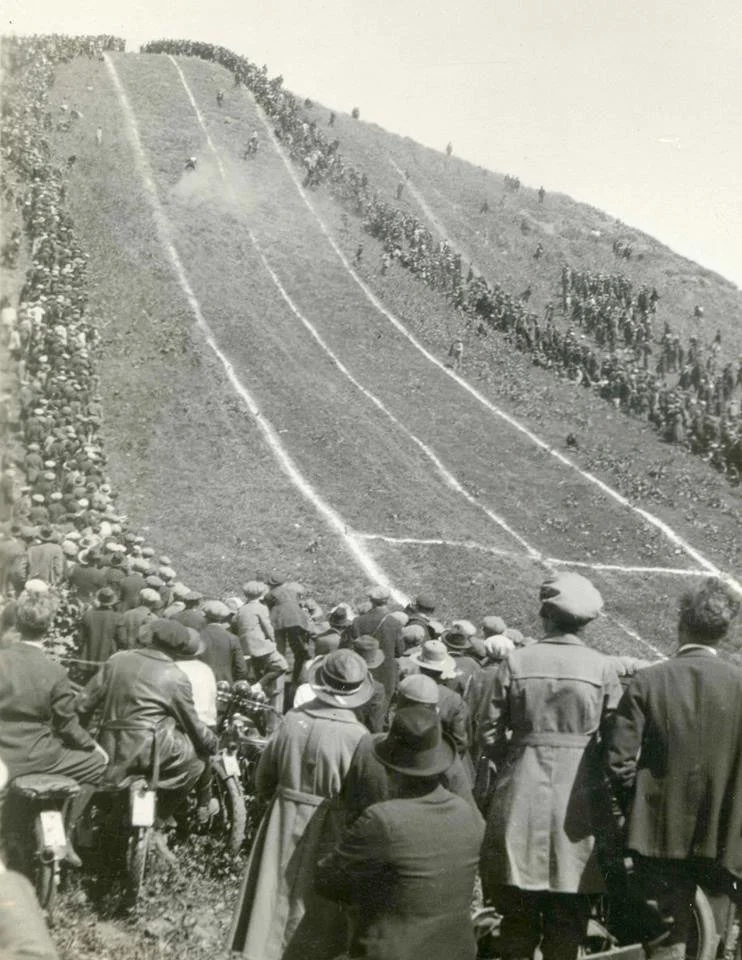
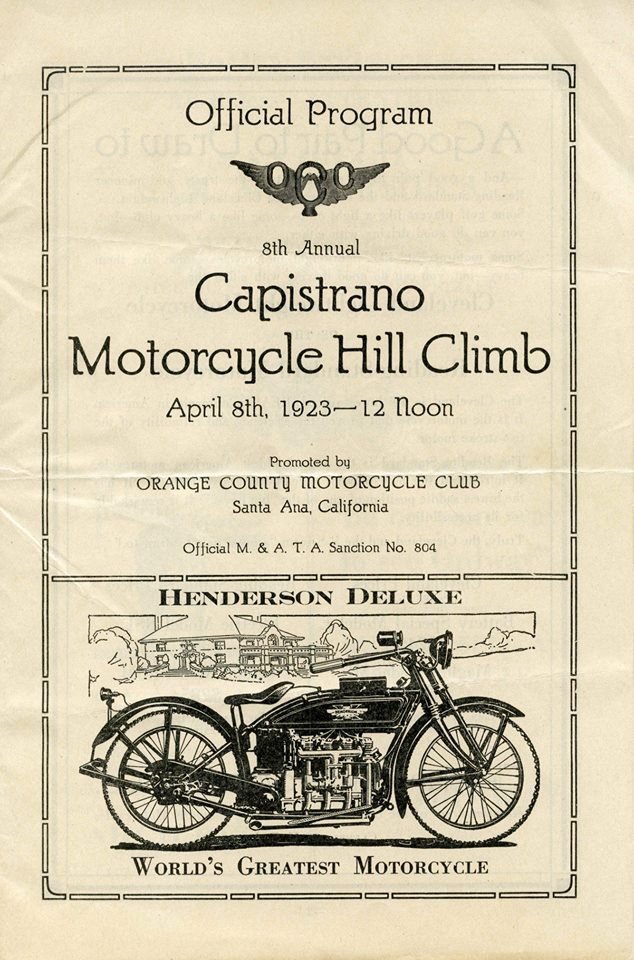
In 1917, rider Calvin Lambert famously ascended Old Motorcycle Hill on his 3-speed Excelsior, marking the beginning of organized hill climb activity in the area. The hill soon earned the nickname “The Gibraltar of the Pacific Coast,” becoming a proving ground for riders across California.
By 1923, Capistrano’s hill climbs were drawing crowds estimated at 50,000 spectators — extraordinary numbers for the era. The events cemented San Juan Capistrano as one of the West Coast’s early centers of competitive motorcycle culture.
The hill was raw. The machines were unforgiving.
And the men who rode them were craftsmen first.
The Capistrano Chiefs — Late 1920s & Early 1930s
As motorcycle enthusiasm grew, local riders organized.
In the late 1920s and early 1930s, a group known as the Capistrano Chiefs formed — a precursor organization rooted in many of the same historic local families who would later help shape the Capistrano Eagles.
Among those associated with this early period were members of longstanding Capistrano families, including Clarence Lobo and Henry “Hank” Gaittan. These men were part of a generation that blended mechanical skill, local heritage, and competitive riding. They were ranchers, laborers, builders — and riders.
The Chiefs represented the natural evolution of the hill climb and scramble era: from individual competition to organized brotherhood.
The bloodlines ran local.
The loyalty ran deep.
The Garage Era — 1930s–1940s
San Juan Capistrano remained an agricultural community through the 1930s and 1940s. The men who farmed fields by day wrenched on machines by night.
They repaired tractors.
They built hot rods.
And they modified motorcycles.
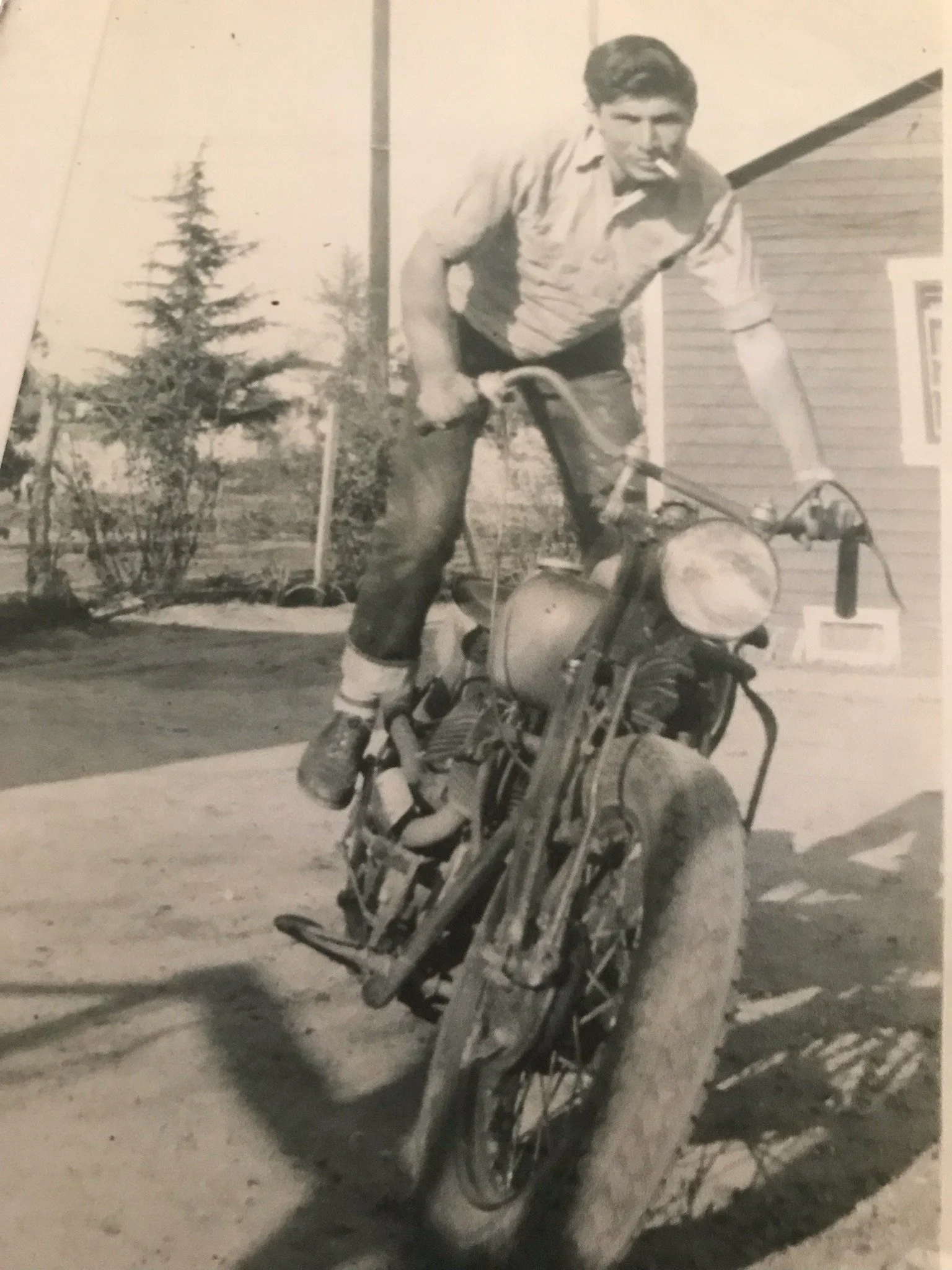
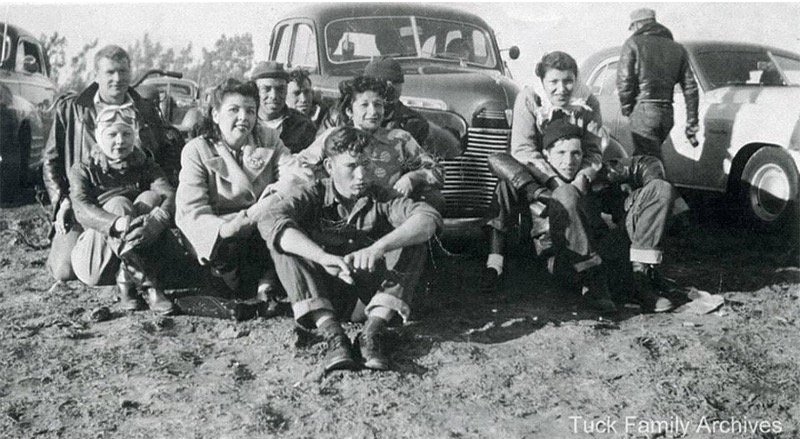
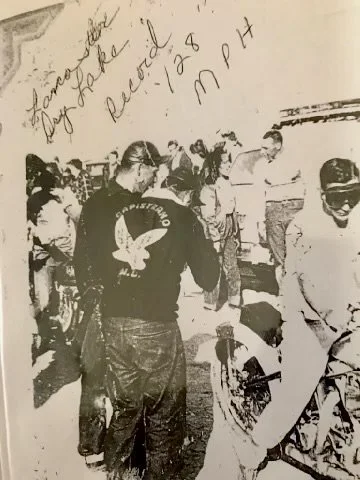
By the 1940s, returning servicemen and their families that would become the Capistrano Eagles M.C. brought new mechanical skills and exposure to broader American motorcycle culture. Across Southern California, custom motorcycles were being stripped down, tuned up, and rebuilt for speed.
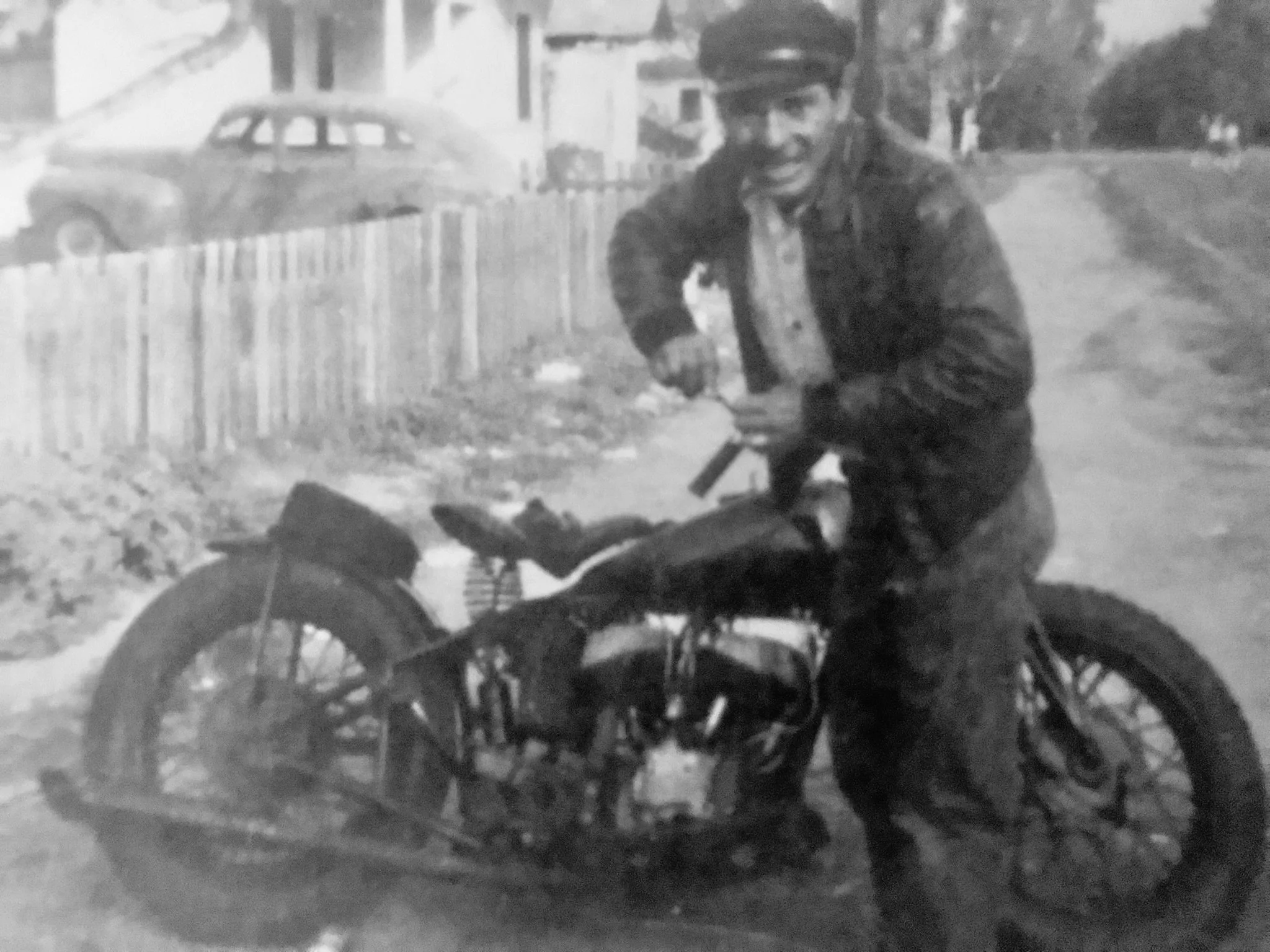
It was not uncommon for locally built machines to approach 100 mph — constructed in small garages with hand tools and ingenuity. The era that would define modern American motorcycle culture was taking shape, and Capistrano was part of it.
The foundation of what we now recognize as post-war motorcycle club culture — structured brotherhood, patches, territory, and organized rides — was forming throughout California during this period.
San Juan Capistrano was not watching from the sidelines.
It was building.
1952 — The Founding of the Capistrano Eagles MC
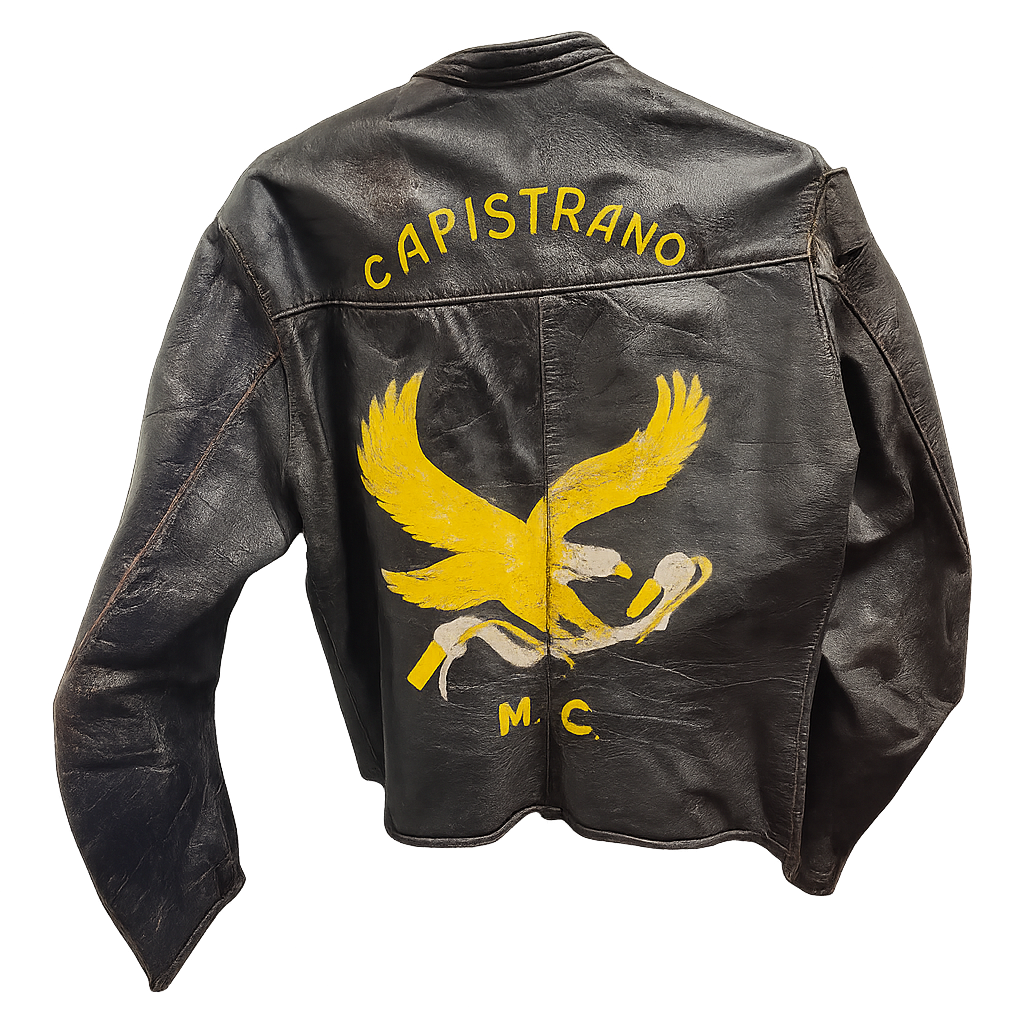
After several years of local racing and riding as the Capistrano Eagles M.C. on September 18th, 1952 the original members took the step from an unincorporated association to todays incorporated Capistrano Eagles Motorcycle Club
Drawing from the mechanical culture of the 1940s, the competitive heritage of the hill climbs, and the lineage of earlier organizations like the Capistrano Chiefs, the Eagles became the next chapter in Capistrano’s motorcycle story.
As a historic Three-Piece Patch Club, the Eagles represent continuity — not reinvention. The three-piece patch reflects established tradition, structured brotherhood, and earned presence within the motorcycling community.
The club’s founding included descendants of local families with deep regional roots, including ties to the Acjachemen people and the early ranching community of San Juan Capistrano. That continuity of land, lineage, and loyalty remains part of the club’s identity today.
The Eagles were built to preserve the spirit that began on the hill.
A Living Legacy
From Acjachemen stewardship…
To Spanish vaqueros…
To hill climb racers…
To garage builders…
To organized brotherhood…
San Juan Capistrano has always been a town of riders.
The Capistrano Eagles MC stands not as a revival, but as a continuation — carrying forward a legacy that began long before engines ever touched these hills.
RIDE FOR YOUR SPIRIT
RIDE ALONGSIDE BROTHERS
RIDE HONORING LEGACY